

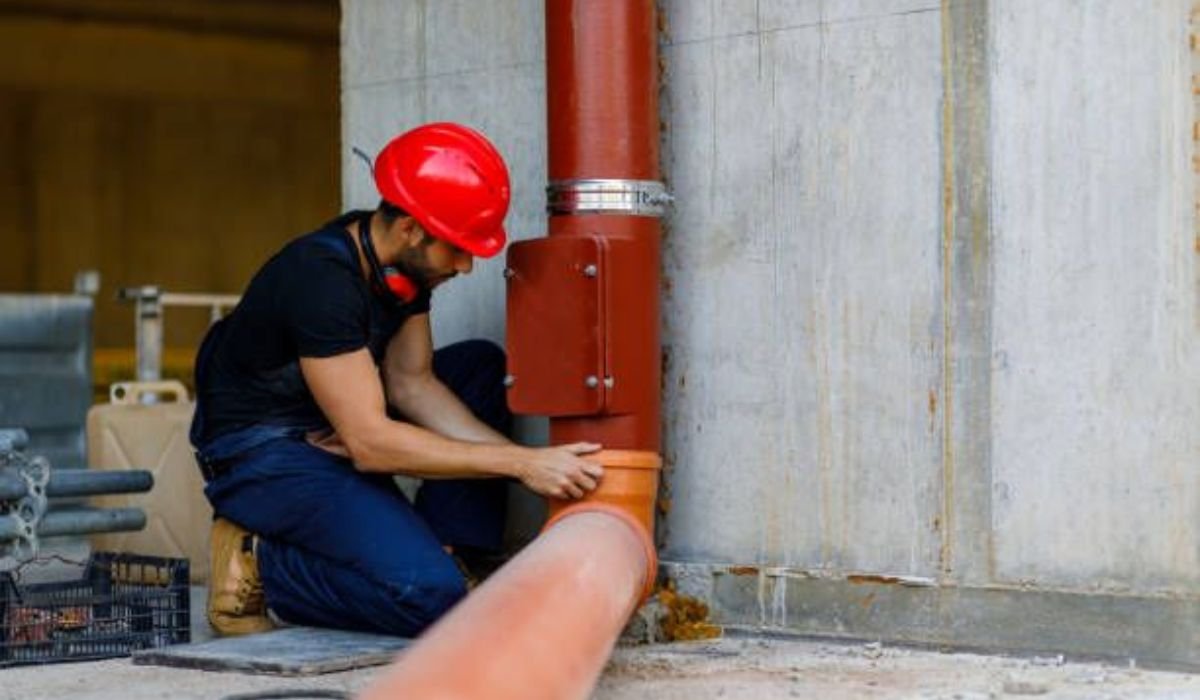
A blocked drain is one of those household problems that can start small and quickly become a major inconvenience. At first, you may notice that water is draining more slowly than usual. A few days later, the sink may begin filling with water, the shower may leave standing water around your feet, or an unpleasant smell may start coming from the drain. When this happens, Blocked Drain Repair becomes necessary to restore proper drainage and prevent further plumbing damage.
Understanding why drains become blocked, how to identify the problem, and when professional assistance is needed can save homeowners time, money, and unnecessary stress. Blocked Drain Repair While some minor blockages can be handled with simple household methods, serious or recurring drainage problems often require professional equipment and experience.
What Is a Blocked Drain?
A blocked drain occurs when something prevents wastewater from flowing normally through a drainage pipe. The obstruction can be caused by food waste, grease, hair, soap residue, tree roots, foreign objects, or a buildup of materials inside the pipe.
Blocked drains can occur almost anywhere in a property. Kitchen sinks are particularly vulnerable to grease and food debris, while bathroom drains commonly collect hair, soap, and personal-care products. Outdoor drains can become blocked by leaves, dirt, mud, and garden debris.
Ignoring a blockage rarely makes the problem disappear. In many cases, the obstruction becomes larger over time, eventually causing overflowing water, pipe damage, or wastewater entering areas where it should not be.
Common Signs You Need Blocked Drain Repair
Recognising the warning signs early can help you deal with a drainage problem before it becomes expensive.
Slow-Draining Water
One of the earliest signs of a blockage is slow drainage. If water takes longer than normal to disappear from your sink, bathtub, or shower, there may already be a partial obstruction inside the pipe.
Unpleasant Drain Odours
Bad smells coming from a drain can indicate accumulated food, grease, hair, or other organic material. A persistent smell may mean that waste is trapped inside the drainage system.
Gurgling Sounds
Gurgling noises from sinks, toilets, or showers can indicate that air is struggling to move through a partially blocked pipe. This can be an early warning that a more serious blockage is developing.
Water Backing Up
If wastewater comes back into a sink, shower, bathtub, or toilet after another fixture is used, the blockage may be further down the drainage system. This situation usually requires attention as soon as possible.
Overflowing Drains
An overflowing drain is a serious sign that wastewater has nowhere to go. Continuing to use water in the property can make the situation worse and increase the risk of water damage.
What Causes Blocked Drains?
There are many reasons a drainage system can become blocked. Identifying the likely cause is important because simply removing the visible blockage may not solve the underlying problem.
Hair and Soap Buildup
Bathroom drains often collect hair, shampoo, conditioner, soap, and other materials. Over time, these substances can combine and create a dense blockage.
Grease and Cooking Fat
Pouring cooking oil, grease, or fat down a kitchen sink can cause significant drainage problems. These substances may initially flow through the pipe but can cool and stick to the inside of the drainage system.
Food Waste
Small amounts of food can enter a kitchen drain even when a sink strainer is being used. Rice, coffee grounds, vegetable scraps, and other materials can accumulate and contribute to blockages.
Foreign Objects
Small toys, sanitary products, wipes, paper products, and other objects can accidentally enter drains or toilets. Some items do not break down easily and can create stubborn obstructions.
Tree Roots
Outdoor underground drainage pipes can sometimes be affected by tree roots. Roots naturally search for water and may enter small cracks or joints in older pipes. Once inside, they can grow and restrict the flow of wastewater.
Damaged or Collapsed Pipes
Not every drainage problem is caused by a simple blockage. Cracked, damaged, or collapsed pipes can also restrict water flow. In these situations, cleaning the drain alone may only provide a temporary solution.
DIY Methods for Minor Drain Blockages
For a minor blockage, homeowners may be able to try a few basic methods before contacting a professional.
A plunger can sometimes create enough pressure to loosen a small obstruction. It is important to use the correct type of plunger and create a good seal around the drain opening.
Another option is to carefully flush the drain with hot water, particularly when grease or soap buildup is suspected. However, extremely hot or boiling water should not be used indiscriminately because certain plumbing materials can be damaged by excessive heat.
A drain strainer can also help prevent future problems by catching hair, food particles, and other debris before they enter the pipe.
If these simple methods do not work, repeatedly forcing the blockage can make the situation worse. At that point, professional Blocked Drain Repair may be the safer option.
Why Professional Blocked Drain Repair Matters
Professional drain specialists have access to equipment and techniques that are not normally available to homeowners. Depending on the nature of the blockage, they may use drain snakes, mechanical cleaning equipment, high-pressure water jetting, or inspection cameras.
A professional can also investigate why a blockage keeps returning. If the underlying problem is tree root intrusion, pipe damage, or a structural issue, simply clearing the blockage will not provide a permanent solution.
Professional diagnosis is Particularly important when several drains in the property are affected at the same time. This may indicate that the obstruction is located in a larger shared drainage line rather than in an individual sink or shower.
How Professionals Diagnose a Blocked Drain
The first step is usually to identify which fixtures are affected and determine how the water is behaving. The plumber may ask when the problem started and whether the blockage happens continuously or only at certain times.
For difficult cases, a small inspection camera can be inserted into the drainage pipe. This allows the technician to see the inside of the pipe and identify problems such as heavy buildup, cracks, root intrusion, or other obstructions.
Once the cause is identified, the appropriate repair method can be selected. This approach is more effective than repeatedly treating symptoms without finding the source of the problem.
Drain Cleaning Methods
Different blockages require different solutions.
Drain Snaking
A drain snake or auger can help break apart or remove certain obstructions. It is commonly used for localized blockages in sinks, showers, and other drainage points.
High-Pressure Water Jetting
Water jetting uses powerful streams of water to clean the inside of drainage pipes. It can be particularly useful for removing grease, sludge, mineral deposits, and other buildup.
Drain Camera Inspection
Camera inspections do not necessarily clear a blockage, but they can help locate and identify the problem. This can be valuable when blockages repeatedly return.
Pipe Repair or Replacement
If the drainage pipe itself is damaged, cleaning may not be enough. Cracked, collapsed, or severely deteriorated pipes may need repair or replacement to restore reliable drainage.
How to Prevent Blocked Drains
Prevention is often easier and cheaper than dealing with a major blockage.
Avoid putting cooking grease and oil down the kitchen sink. Instead, allow fats to cool and dispose of them appropriately.
Use drain covers or strainers in sinks, showers, and bathtubs. These simple devices can catch hair, food particles, and other debris before they enter the pipes.
Do not flush wipes, sanitary products, paper towels, or other unsuitable items down the toilet. Even products marketed as flushable can contribute to drainage problems in some systems.
Regularly clean drain covers and remove visible debris. Keeping outdoor drains free from leaves and dirt can also reduce the chance of blockages during periods of heavy rain.
When Should You Call a Professional?
A professional should be contacted when a blockage is severe, keeps returning, affects multiple fixtures, or causes wastewater to back up.
You should also seek professional help if you suspect a damaged pipe or tree root intrusion. Trying to dig up or repair underground drainage pipes without the correct knowledge and equipment can cause additional damage.
If wastewater is overflowing, avoid unnecessary water use until the problem has been assessed. This can help reduce the risk of further flooding and contamination.
The Importance of Fast Action
A blocked drain may seem like a minor inconvenience, but delaying repairs can turn a simple blockage into a much bigger plumbing issue. Standing wastewater can create unpleasant odours and contribute to unsanitary conditions. Persistent pressure and restricted flow can also place additional strain on parts of the drainage system.
Getting the issue checked early can make it easier to identify the cause and choose an appropriate repair method. In many cases, early intervention is less disruptive than waiting until the drainage system becomes completely blocked.
Conclusion
A blocked drain should never be ignored, especially when warning signs such as slow drainage, bad smells, gurgling sounds, or wastewater backups appear. While minor problems can sometimes be resolved with simple household methods, serious or recurring issues require professional attention.
Effective Blocked Drain Repair is not only about clearing the immediate obstruction. It is also about identifying what caused the blockage and making sure the drainage system can continue working properly. With sensible drain habits, regular maintenance, and prompt professional assistance when needed, homeowners can reduce the risk of costly drainage emergencies and keep wastewater flowing smoothly.
FAQs
What is the most common cause of a blocked drain?
Hair, grease, food waste, soap residue, and foreign objects are among the most common causes. The exact cause depends on the location of the blockage.
Can I repair a blocked drain myself?
Minor blockages can sometimes be cleared with a plunger or other basic methods. However, persistent, severe, or recurring blockages should be assessed by a qualified professional.
Why does my drain keep blocking?
Repeated blockages may indicate deeper problems such as heavy buildup, damaged pipes, tree roots, poor pipe installation, or an obstruction further along the drainage line.
How can I prevent blocked drains?
Use sink and shower strainers, avoid putting grease and food waste down drains, dispose of unsuitable toilet products properly, and keep outdoor drains clear of leaves and debris.
How long does blocked drain repair take?
The time depends on the location and severity of the blockage. A simple blockage may be cleared relatively quickly, while damaged pipes, root intrusion, or difficult underground problems can require more extensive work.
Read More About : Fluxenia
