

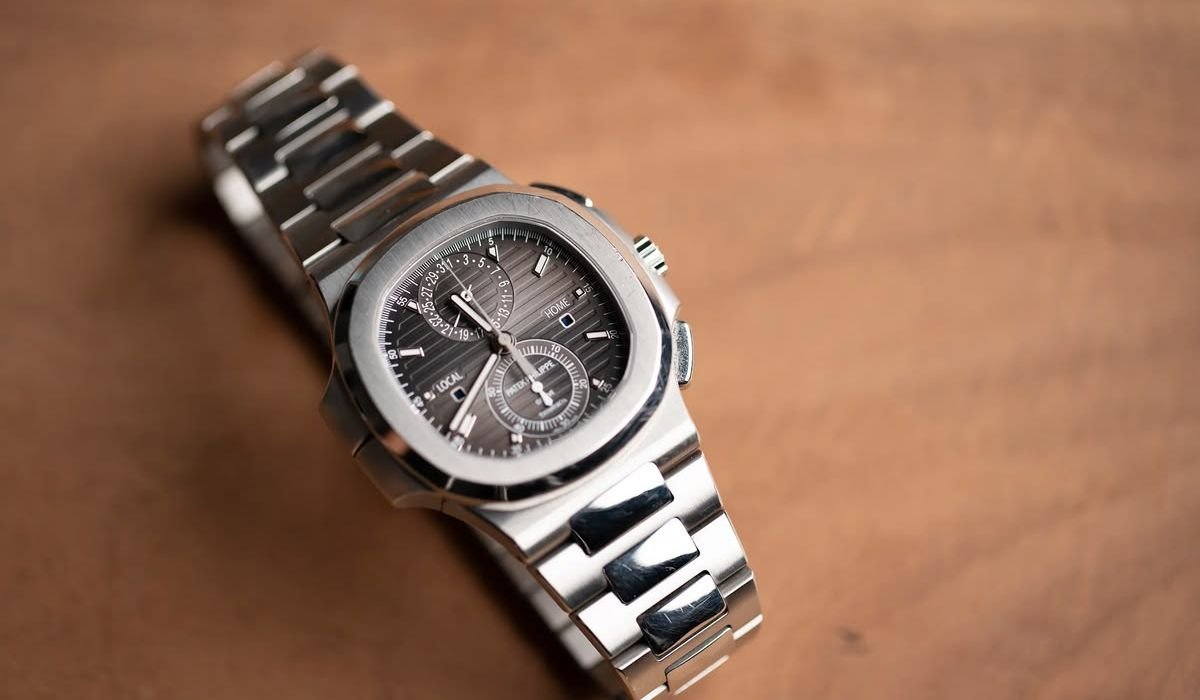
A luxury watch is much more than a simple device that tells the time. For many people, it represents craftsmanship, personal style, history, and attention to detail. While smartphones and digital devices can show the time instantly, a beautifully designed mechanical watch offers something completely different. It is a piece that can be worn, appreciated, and passed from one generation to another.
The world of luxury watches can seem complicated at first. There are mechanical movements, automatic watches, precious metals, complications, limited editions, and countless designs to consider. However, understanding the basics makes it much easier to appreciate what makes a premium timepiece special.
Whether you are thinking about purchasing your first Luxury watch or simply want to learn more about the industry, this guide will help you understand the important factors behind these remarkable watches.
What Is a Luxury Watch?
A luxury watch is generally distinguished by its quality, craftsmanship, materials, precision, design, and brand heritage. Unlike mass-produced watches, many high-end timepieces require extensive work from skilled watchmakers and designers.
Luxury watches may feature stainless steel, titanium, gold, platinum, ceramic, sapphire crystal, or other high-quality materials. Their movements can contain hundreds of tiny components that work together to keep the watch running accurately.
However, luxury does not always mean the most expensive watch available. A well-made timepiece at a moderate price can offer excellent craftsmanship, while a much more expensive model may derive part of its value from rarity, precious materials, or brand prestige.
The History Behind Luxury Watches
The history of fine watchmaking goes back several centuries. Early mechanical clocks were large and mainly used in public places or buildings. As technology improved, watchmakers developed smaller mechanisms that could be carried and eventually worn.
Over time, European watchmaking became particularly famous for its attention to precision and craftsmanship. Switzerland eventually became one of the most recognized centers of high-end mechanical watchmaking.
Many luxury watch companies have developed long histories and distinctive identities. Their designs often combine traditional techniques with modern technology. This connection between the past and present is one of the reasons collectors remain interested in mechanical watches.
Mechanical vs. Quartz Movements
One of the first things a new buyer should understand is the difference between mechanical and quartz movements.
A mechanical watch operates through a complex system of gears, springs, and other components. It does not normally require a battery. Automatic mechanical watches use the movement of the wearer’s wrist to help wind the mainspring.
Quartz watches use a battery and an electronic oscillator regulated by a quartz crystal. They are generally known for excellent accuracy and require less maintenance than mechanical watches.
For many enthusiasts, the attraction of a mechanical luxury watch is not simply accuracy. It is the engineering and craftsmanship involved in creating a miniature mechanical system that works continuously on the wrist.
Why Craftsmanship Matters
Craftsmanship is one of the defining features of a luxury watch. Producing a high-quality timepiece can involve numerous stages, including designing, machining, polishing, assembling, testing, and finishing.
The finishing of a watch can be particularly impressive. Watchmakers may carefully polish edges, decorate movement components, and create precise surfaces that are visible through a transparent case back.
Small details can make a significant difference. The quality of the dial, hands, markers, crown, bracelet, clasp, and movement all contribute to the overall experience.
This attention to detail is something that enthusiasts often appreciate more as they learn about watchmaking.
Materials Used in Luxury Watches
Luxury watches can be made from a wide variety of materials. Stainless steel remains popular because it provides durability while maintaining an elegant appearance.
Gold is another traditional choice. Different types of gold, including yellow, white, and rose gold, can give a watch a completely different character.
Titanium is valued for being lightweight and strong, making it useful for sports-oriented watches. Ceramic is also increasingly common because of its scratch resistance and modern appearance.
Sapphire crystal is frequently used to protect the dial. It is highly resistant to scratches and provides a clear view of the watch face.
The choice of material affects not only appearance but also weight, durability, comfort, and price.
Popular Types of Luxury Watches
There are many categories of luxury watches, and each serves a different purpose.
Dress Watches
Dress watches are usually slim, simple, and elegant. They are designed to complement formal clothing rather than attract attention through large cases or complicated displays.
A clean dial, leather strap, and understated case can create a timeless appearance.
Dive Watches
Dive watches are designed with water resistance and durability in mind. They often feature rotating bezels, luminous markers, strong cases, and reliable bracelets or straps.
Even people who never go diving often enjoy these watches because of their sporty appearance and practical design.
Chronograph Watches
A chronograph combines traditional timekeeping with stopwatch functionality. Small sub-dials and additional pushers are common features.
Chronographs can have a technical appearance and are particularly popular among people who enjoy motorsports, aviation, and engineering-inspired designs.
GMT Watches
GMT watches are designed to display an additional time zone. They can be particularly useful for travelers, pilots, business professionals, and people who regularly communicate with others around the world.
Everyday Luxury Watches
Some watches are designed to work well in almost any situation. They can be worn with casual clothes, business outfits, or even semi-formal clothing.
For a first luxury watch, this versatile category can be an excellent choice because the watch can become part of a daily wardrobe.
How to Choose the Right Luxury Watch
Choosing a luxury watch should be a personal decision. Instead of Purchasing a model simply because it is popular, think about how and where you plan to wear it.
Start by considering your budget. Never feel pressured to spend beyond what you can comfortably afford.
Next, consider the size. A large watch may look impressive on one wrist but uncomfortable on another. Case diameter, thickness, lug-to-lug length, and bracelet design can all affect how a watch feels.
You should also consider your lifestyle. Someone who works in a formal office may prefer an elegant dress watch, while someone who spends weekends outdoors may prefer a durable sports or dive watch.
Finally, choose a design you genuinely like. Trends change, but your personal taste is likely to remain important for many years.
Understanding Watch Complications
A complication is an additional function beyond basic timekeeping. Some luxury watches contain several complications, which can make their movements extremely sophisticated.
Common complications include date displays, chronographs, moon-phase indicators, power-reserve indicators, annual calendars, and perpetual calendars.
More complications often mean greater technical complexity. However, more features do not automatically make a watch better. A simple watch with excellent finishing and a reliable movement can be just as satisfying as a complicated one.
The best choice depends on what you actually value.
Luxury Watches as Collectible Items
Some people purchase watches primarily for personal enjoyment, while others become serious collectors.
Collectors may look for historical significance, unusual references, limited production numbers, special materials, or particular movements.
Vintage watches can be especially interesting because each piece may have its own history. However, buying vintage requires careful research because condition, originality, servicing, and authenticity can have a major impact on value.
Limited editions can also attract collectors, but buyers should remember that limited production alone does not guarantee future appreciation.
Can a Luxury Watch Be an Investment?
Luxury watches are sometimes described as investments, but buyers should approach this idea carefully.
Certain watches have historically maintained or increased their value, particularly rare and highly desirable models. However, prices can move up or down depending on market demand, economic conditions, condition, availability, and trends.
A watch should therefore be purchased because you appreciate it rather than because you expect a guaranteed financial return.
If resale value matters to you, research the model’s historical market performance, availability, service history, condition, and demand before making a purchase.
Buying a Luxury Watch Safely
Buying from a trustworthy source is extremely important. The luxury-watch market includes counterfeit products, modified watches, and pieces with questionable histories.
When buying a pre-owned watch, check the seller’s reputation and ask for detailed information about the watch. Documentation, service records, original accessories, and purchase history can be useful.
Authentication is especially important for expensive purchases. If you are uncertain about a watch, having it examined by an experienced professional can provide additional confidence.
Do not rush into a purchase simply because a seller claims that another buyer is interested. A genuine luxury watch deserves careful consideration.
Caring for Your Luxury Watch
Proper maintenance can help a quality watch remain in excellent condition for many years.
Keep the watch clean and avoid exposing it to conditions that exceed its specifications. Water resistance should not be assumed simply because a watch looks sporty.
Mechanical watches may require periodic servicing. The recommended service interval depends on the movement, manufacturer, usage, and condition.
It is also wise to store the watch safely when you are not wearing it. Avoid unnecessary exposure to strong magnetic fields, extreme temperatures, chemicals, and impacts.
Regular care can protect both the appearance and functionality of the timepiece.
Why People Love Luxury Watches
The appeal of a luxury watch is different for everyone. Some people admire the engineering, while others love the design or history.
For some owners, a watch represents a personal milestone such as graduation, a career achievement, marriage, or another important moment.
There is also something special about wearing an object that does not need to be replaced every few years. A well-maintained mechanical watch can potentially remain useful for decades.
That sense of permanence is one of the strongest attractions of traditional watchmaking.
Final Thoughts
A luxury watch combines design, engineering, craftsmanship, and personal expression in a remarkably small object. From elegant dress watches to rugged dive watches and sophisticated chronographs, there is a style for almost every personality and lifestyle.
The most important thing is not simply choosing the most expensive model. Instead, look for a watch that offers the combination of quality, comfort, design, reliability, and history that matters to you.
Take your time, research the movement and materials, buy from a reputable source, and choose something you will genuinely enjoy wearing. A great luxury watch is not merely an accessory—it can become a lasting part of your personal story.
FAQs
What makes a luxury watch different from a regular watch?
A luxury watch typically offers higher levels of craftsmanship, finishing, materials, movement quality, design, and brand heritage. The difference is not always about accuracy but also about engineering and attention to detail.
Is a luxury watch worth buying?
It can be worth buying if you appreciate watchmaking, design, craftsmanship, or long-term ownership. The right choice depends on your budget and personal preferences.
Are automatic watches better than quartz watches?
Neither is automatically better. Quartz watches are generally more accurate and convenient, while automatic watches appeal to people who enjoy traditional mechanical engineering and craftsmanship.
Can luxury watches increase in value?
Some models can appreciate over time, but there is no guarantee. Rarity, condition, demand, brand reputation, and market trends can all influence resale value.
How should I maintain a luxury watch?
Keep it clean, follow its water-resistance limits, protect it from unnecessary impacts and extreme conditions, and have the movement professionally serviced when appropriate.
Read More About : Fluxenia
